The Scratch Interview #7: Kim Cross on Caregiving and Freelancing
“Freelance rates, by the way, haven't gone up since 1985. That's when magazines started paying $2 a word.”
Welcome to week five of Summer Scratch!
Today we’re sharing something closer to our standard fare: a Scratch Interview between Latria Graham and award-winning nature journalist Kim Cross. (We just couldn't wait.)
I have been in Kim Cross's orbit for almost a decade now. We first met in 2016 when I was a baby sports writer unsure of where I'd find my next story and with a very loose grip on craft. During that period Cross served as the executive director of Archer City Story Center, in Archer City, Texas, and she sent me an email inviting me to join a group of writers in this tiny town near the Texas-Oklahoma border to talk about this thing called narrative nonfiction, a new term for me.
Let's just say that the experience changed everything about my career trajectory.
Over the years Cross has served as an informal mentor for me, and many other emerging writers. While I haven't picked up her meticulous but awe-inspiring reporting filing system (apologies to my editors), the generosity she's always shown towards fledgling writers is contagious. A pragmatic optimist, her influence is part of the reason I'm so dedicated to Scratch and the goal of peeling back the curtain on how this industry works and how to survive in it.
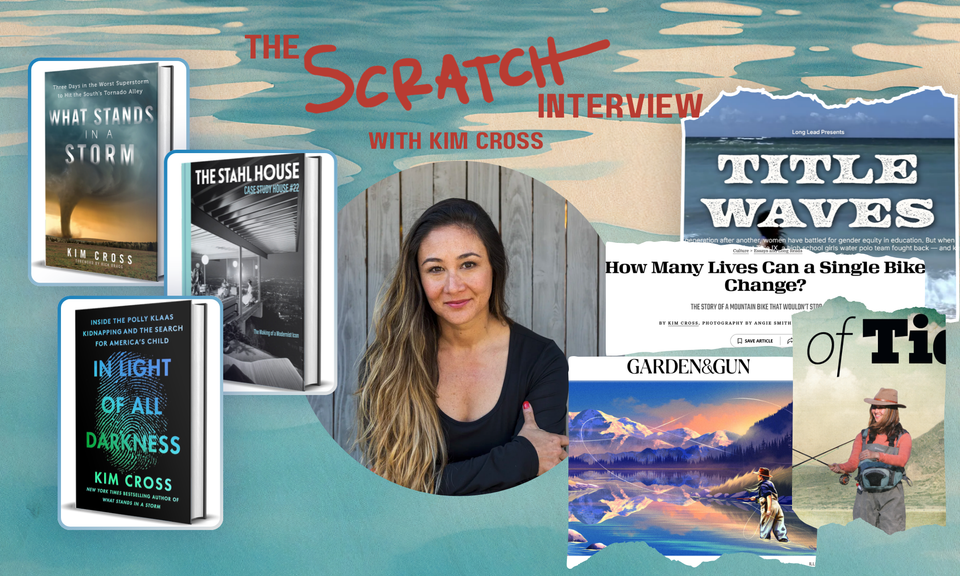
Cross has also been prolific, as the author of three New York Times bestselling narrative nonfiction books: What Stands in a Storm: Three Days in the Worst Superstorm to Hit the South's Tornado Alley, The Stahl House: Case Study House #22—The Making of a Modernist Icon, and In Light of All Darkness: Inside the Polly Klaas Kidnapping and the Search for America's Child. And she teaches feature writing for Harvard Extension School’s graduate journalism program and the Sawtooth Writing Retreat in Ketchum, Idaho.
This year Cross won an ASME National Magazine Award in Lifestyle Journalism for "Out of the Wild," her feature story published in the July 2025 issue of Food & Wine.
She lives in Boise, Idaho, but when I interviewed her in late July, she was spending the summer in one of our favorite places in the world: Homer, Alaska. You can keep up with Kim’s adventures via her newsletter, The Waterproof Notebook, and find more of her writing on her website.
The following interview has been lightly edited for length and clarity.
Latria Graham: The first piece of your writing I ever encountered was this piece about fishing and the long arc of time, called “The King of Tides: A Story of Love, Loss, and Salmon in the Wilds of Alaska,” which you wrote for J. K. Nickell at the now-defunct Southwest Magazine (Remember when airlines had magazines in the seat pockets? What a time...). The narrative power of that story was good enough to compel me to get on a plane to come meet you in a tiny town near the Texas-Oklahoma border. That piece came out a decade ago, and there are several other pieces that you’ve published in the last 18 months or so, like “River of Dreams” for Travel + Leisure, and “My Natal Stream” for Garden & Gun that signal that you've recently returned to that rich material of fishing. It seems you've had this decade-long arc that has led you back to a subject that you really like. Do you feel like it took ten years for you to settle into yourself?
Kim Cross: I think it took ten years for me to settle into my lane, even though my lane was right there all the time. In the mindset of the freelance writer, you're scrambling to survive and you say “yes” to a lot of things that if you had a choice, you might consider differently. For the most part, I'm happy with the work that I've done, and I think maybe I needed to do that work to come back to the topic that keeps calling me with a different set of skills that those other projects developed.
Do you mean in terms of honing your interviewing chops, and refining your archival skillset, or are you talking about craft-wise and what you’re capable of on the page? All of it?
I think it's my ability to do and manage vast amounts of meticulous research. That process started with What Stands in a Storm, but I had to gather and organize, catalog, process, and cite a vast amount of information with the Polly Klaas book. I think that when I wrote The King of Tides, I was just at the beginning of that journey. I don't think I had the skills—and definitely not the mindset—to apply that line of inquiry to my own life and journey.
The salmon book I’m working on now is really different because it's a first person quest. My other books are reconstructed narratives where I have reconstructed an event that has concluded. I know how it ends and it's got a clear arc. And for this one, it's taking 10 years because I didn't know how it ended—I didn't even know how it was going to unfold.
That’s right–the stories that I mentioned earlier form the foundation of a book you’re working on, yes? Can you tell me more about that?
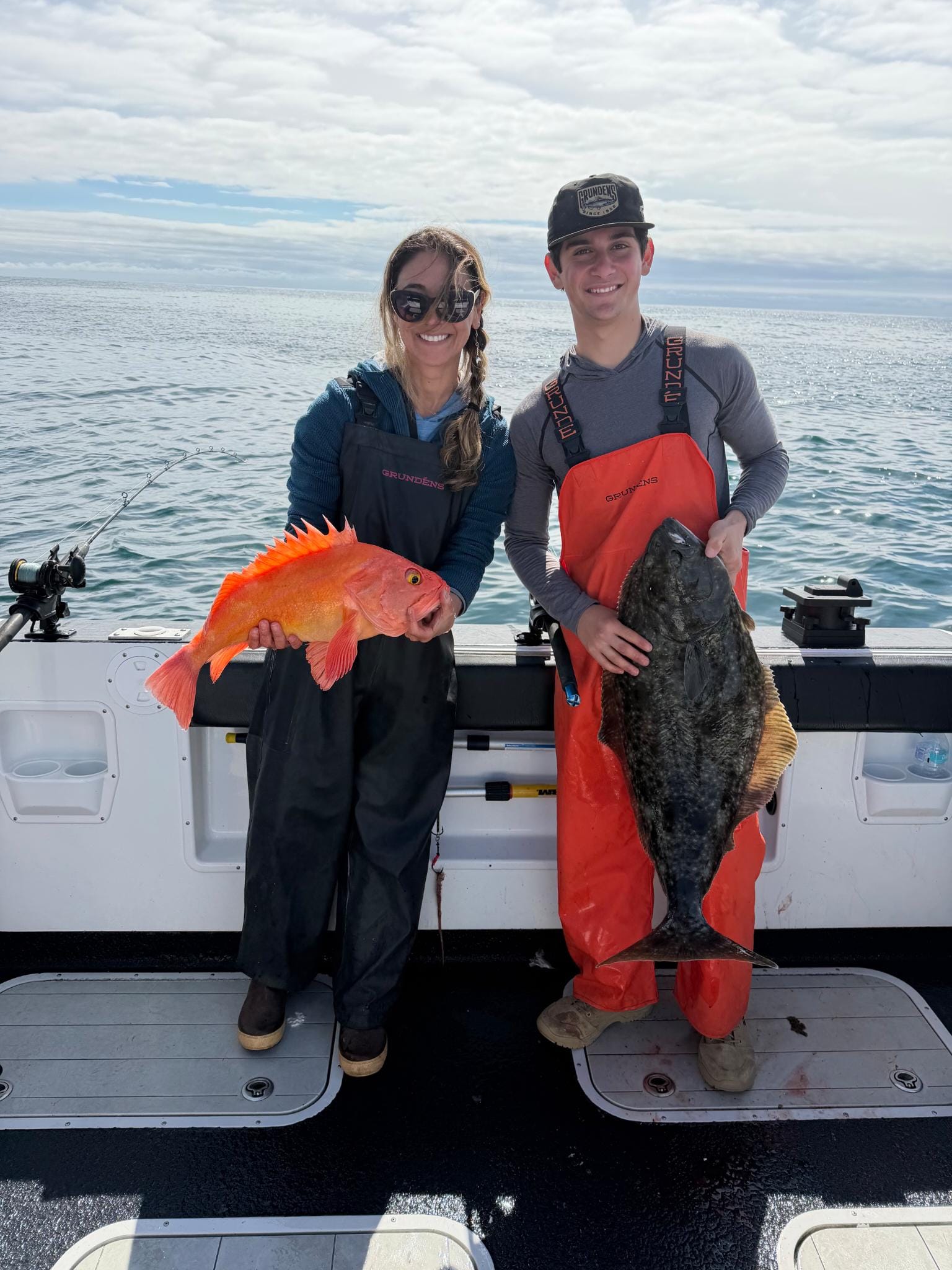
It's a book about all of the things standing in the way of preventing regional extinction of salmon, specifically Snake River Chinook salmon stocks in the Pacific Northwest. Books have been written about salmon before, so I've asked myself what's going to make mine different? What is the book only I can write? I've been thinking a lot about as a mother, how do I raise a child to inherit this really complicated and fraught world that he's about to enter? How do I equip him with the skills to solve the problems he's going to encounter, problems that I wasn't aware of at his age or when I was his age? But how do I do that without scaring him into nihilism? And how do I teach him how to learn about the world and seek truth for himself and not just accept what he reads and sees online?.
So the premise of the book is a mother-son journey from source to sea through the science of salmon and dams and this really complicated issue that involves not only science, but habitat degradation, hydropower, the dams that the salmon have to pass through to migrate to the ocean and then to migrate back to their natal streams to spawn and die. The soul of the book is a mother's quest to teach her son how to learn about the world through immersive, adventurous research, by going out into the world and learning for yourself, through talking to lots of different people who don't agree and different things at stake. The goal is to listen to them earnestly and understand their point of view…what they have to lose, what they're worried about, what they hope for, and what they fear.
Given that you and your son have decided to travel the length of the waterways you’re writing about, you’ve gotten creative with figuring out how to fund, and find, passage on the trickier parts of this project. Will you say more about that?
At each phase of the trip, we've gone a little bit at a time. We've traveled with a different stakeholder. They become a cast of characters who teach us things through their point of view. Every segment of the trip has been kind of different and required a different set of hoops to jump through, the middle fork of the Salmon River goes through the Frank Church River of No Return Wilderness, the largest wilderness in the US, outside of Alaska. The only practical way to get through it is to raft it on a whitewater river trip. There's a trail. Impassable Canyon is…impassable. So we had to go with a river rafting company. That trip cost $5,000 for both of us. And at the time, I remember feeling nauseated because it was a hard year financially. But it was the best money we spent that year.
Later, we got to a point where the dams create these reservoirs and we didn't have a boat to get down from Lewiston down the Snake to where it merges into the Columbia, and then from down the Columbia to the mouth of the river of the Pacific. The river is too big, too wide for us to do safely in a boat. I realized there's a couple of river cruise lines that go through the dams all the way from Lewiston, Idaho to Astoria in Oregon near the mouth of the Columbia.
So I did a little research and found that one of them, Lindblad Cruise Lines, is co-branded with National Geographic. It was founded by a National Geographic explorer who wanted to get people to the places that he wanted to save. And so they have a really unique clientele, and it's a small boat with about 65 people. And lo and behold, they have guest speakers. And the guest speakers tend to be journalists or Nat Geo photographers or subject matter experts. They also, I saw that they had recently co-branded this particular cruise with Food & Wine. And I had just written a salmon story for Food & Wine about how to shop for and cook sustainable salmon. And so with the blessing of Hunter Lewis, the editor,I approached Lindblad and said, ‘Hey, I'd love to be a guest speaker. I'd love to speak about salmon and not only how to cook it in this Food & Wine story, but also the salmon and dam conflict that we're going to be traveling through the heart of.’
So they said yes, but when I said, ‘I really need to get on the boat this spring.’ They said it wasn’t enough time to promote it and suggested next spring. But this is kind of a linear journey. And I wanted to finish that segment and then end in Alaska. And later that year, bring my son to Alaska to show him what abundance looks like, what we should have and did have in the Pacific Northwest [before the dams were constructed].
So I said, ‘What if I waive my speaking fee and speak next spring? I'll speak on a longer cruise. I'll speak multiple times, whatever you want, in exchange for passage for me and my son this year? And they said sure. So I signed a contract.
What was really great about this was not only did it eliminate my need to fund that myself. But it also gave me an opportunity to talk about the book to an audience of people who would be interested in it and to start building or keep building the platform that we are now, as authors, expected to have for a book.
Enjoying Scratch? The best way to support our work is with a paid subscription!
I wanted to ask you about that because I admire your chutzpah and I am not tech savvy, but how are you dealing with the pressure on authors to have a platform and be on social media? Because you've been around long enough to know that it wasn't always like that, where some of us are just now entering it.
Initially I resented this new expectation of us because learning these social media platforms is not great for my mental health. I don't love it, but I also see it as one of the only tools that I as a freelance writer and independent author can afford to leverage, to reach an audience and be visible. I live in Idaho and it feels like an island sometimes because there aren't a lot of journalists or publishers or editors who do the kind of narrative nonfiction work that I do there.
I often feel really like I have to fight for visibility on the East coast, which is where publishing is. So I've tried to be more intentional about how I use social media at the risk of constantly feeling like, oh, I'm making my writer friends cringe. But this is not for them. This is for basically my survival as a writer, and I'm going to do whatever it takes to survive, even if it makes my friends cringe.
Right. Survival is the name of this game.
I've learned how to edit reels because that is what the algorithm likes. I've learned that the algorithm favors reels that start with a nicely lit face, and then pivots to something else. It's a new skill. It's not the essence of what I do, but it's also a way to tell a story with brevity, which is the opposite of what I do [on the page]. I'm trying to tell a story that has a little hook and a mini arc in 60 seconds, or 90 seconds–no more. In doing that, I'm hoping to get people interested in my work, interested in the process, and let editors basically see this is the kind of work I'm doing. It’s my way of saying: These are the places I'm going, this is how I do my work. And believe it or not, it has gotten me work. Editors have noticed, [things like] ‘Oh yeah, she's doing stuff in Alaska. Let's see if she wants to pitch for this package.’ And so I feel like in that respect, it has been successful.
I try not to get too caught up in the numbers, but just to use it as a another sort of portfolio. I have a portfolio of clips for editors, but I have this portfolio of reels and pictures and little mini stories that I hope are interesting and maybe even useful to an audience. I've been trying to be more specific about who that audience is. And I created a Substack hoping to better define what it is that makes my body of work and engage with people on that platform.
You’ve been intentional about community-building for a long time. You started creating retreats and workshops almost 10 years ago, too. Why retreats?
I was an avid cyclist, and I learned from teaching mountain biking clinics to women that I’m good at building community. I often find myself asking, What’s something I can do to make my little tiny piece of the world a little bit better? Writing is so solitary but I’ve learned that if you can help someone and change their life and make it a little bit better, that feels like a thing you can control in this world of things we can't control.
The Archer City Writers Workshop changed my life by introducing me to a community of like-minded storytellers, and the value of how powerful it is to gather with other writers on retreat at a place where you're away from your life and all its distractions. Part of the magic is getting the right people there in a special place and creating just enough, but not too much, structure so that you give them a way to be intentional about their growth and their learning.
And so I did that for two years and it was magical and it made me feel like, maybe this is what I'm meant to do. To the point where I'm like, Am I really meant to be a writer? Or am I meant to be a leader of retreats? It was so life-giving and so fun. It's not easy, but it's a different kind of hard than writing. It fills my cup. It gives me energy.
Archer City Story Center went away for a couple years and now it's evolved into the Larry McMurtry Literary Center, right?
Yes. Workshops are happening again. I taught feature writing with Hampton Sides there last spring.
Now you’re doing something similar by hosting writing retreats in nature in Idaho. Why there?
I had to write and edit What Stands in a Storm in 18 months, with a four-year-old child. I really had to hustle. So the only way I got it done was on retreat. I had to write 60,000 words in two months. At home, on a good day, I could get 1,000 words done. On a retreat, I could do 2,000. On a really good day on retreat, at an unsustainable pace, I could do four [thousand]. I was like, ‘This is a really valuable tool.’ And my family supported me because I would come back happier and more present and more able to be a good mom and wife.
So I started thinking, how can I bring this to Idaho? Because I realized Idaho doesn't have a retreat or a writer's residency.
Wait. Really?
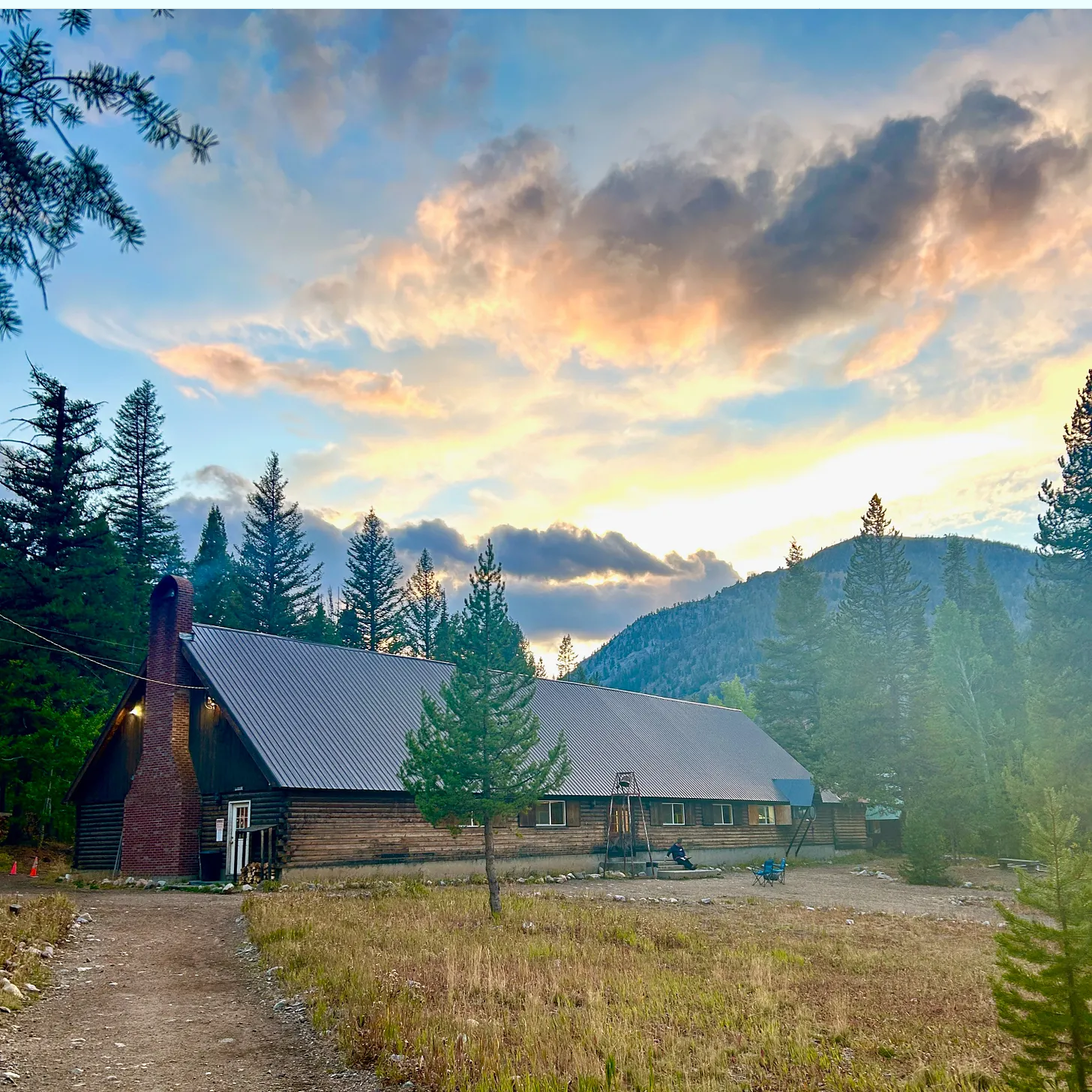
Yeah. As soon as I landed in Idaho, I met Edward "Mac" Test, a professor at Boise State [and told him I wanted to do a retreat here]. It took us several years, but he found a 4-H camp outside of Ketcham where we can host people, and he found an incredible caterer chef who makes wonderful food. We partnered with another writer and professor, Paul Bogard, author of The End of Night. We were the founding instructors, and so we kind of created the curriculum. It’s called the Sawtooth Writing Retreat. I think we're in our fourth year.
Then, recently, when I went down the Middle Fork of the Salmon River on a whitewater trip, I discovered something so transformative that I wanted to share it with everyone.
You are off the grid. Your cell phones essentially don't work. You are on river time, so you're kind of waking up with the sun. You are going literally at river speed. That's how you're moving. And your guides are taking care of you — it lends itself to the flow state. My goal is to basically invite people to come, give just enough structure that it feels effortless, but they're chipping away at this big thing, whether it is the next phase of your career, a big book project, processing a grief, something really big that's hard to wrap your head around in everyday life, or maybe something that you keep compartmentalizing against because it's so big. And then by the end of the trip, my hope is that everyone goes home with clarity and momentum. I partnered with Mark Warren who won the Pulitzer last year for feature writing [to teach it with me]. He is a former editor at Esquire. He was Tom Junod’s editor.
The Flow State River Retreat is more intended for professional working writers who are already working at a high level, already getting published, and they're working on their next big thing.
The Sawtooth is for writers of all levels and stripes. We have a really wide range.
You and I have talked quite a bit over the years about the toll caregiving while freelancing can take. And you started to talk about this a smidge earlier, but I want to explore the topic more. Your dad passed of cancer when your son was one, and your mom died in December, a couple of weeks before he turned eighteen. You are part of this sandwich generation, and folks are feeling the squeeze. How are you trying to tend to yourself? How are you trying to take care of your brain, and how has that changed recently?
Last year, my mom was diagnosed with Alzheimer's disease and we were told that it was not safe for her to live independently. She moved in with us. At the same time, my husband was working in Australia — with my full blessing. It was very, very hard to be a solo mom for a lot of that transition. And as an only child, my mom’s care fell on me. There were days we had a great relationship, but her disease would turn her into kind of a Mr. Hyde, and she would behave in ways that she never behaved before. And it would throw a wrench into my ability to work.
One day she screamed and I thought she had fallen and broken a hip and I ran downstairs and she was covered with chocolate milk. So that derailed the day. 270 degrees of chocolate milk on the ceiling and three walls. Other days she would say something that normal-mom would never say. And then I would just be in tears. And it's pretty hard to write when you're sobbing because your mom just called you something that she would never call you in her right mind. And so that was really, really hard. And then to try to protect my son from that when he's living in it, too.
I was in survival mode. I try to make self-care a priority, but I was also in financial survival mode because inflation's going up. Freelance rates, by the way, haven't gone up since 1985. That's when magazines started paying $2 a word. [Editor's note: Some writers may make more than $2/word at this point. Many writers make less than $2/word at this point. But, to say the least, industry standard freelance rates haven't kept up with inflation for decades.] So the result is that you have to turn out more work and be more productive or get bigger stories and those are harder. So I was taking on everything.
After Thanksgiving, my husband came home from Australia and I got an assignment to go to Napa and interview a chef on a bicycle. And I was like, "Oh, that sounds great. I'm out of shape, but I need a break." And while I was gone reporting, [my mom] had an accident in our house. I flew back to Idaho and she was on life support. She didn't have a DNR and I had to make a choice.
Then we had to get through Christmas. And then two days after Christmas was my son's 18th birthday. And then on January 6th, I had to get on a plane and go to Hawaii and report “Title Waves,” one of the biggest stories that I wrote this year. I had to put my processing on a shelf and say, "I'm going to have to deal with this later."
Deadlines were colliding. My first mentor died and I was asked to write her obit. I was writing that when my mom died. Then my husband’s grandmother died. So I was late on three obits and two stories and editors were upset with me. I also just kind of felt like crap because I pride myself on doing good work and making good on promises. So I was like, "All right, I'm going to get through these deadlines."
When it was over I bought myself a one-way ticket to Alaska and was like, ‘I'm going to get a job, just like a manual job where I don't have to think, and I'm outside, not looking at a screen. I can let my brain rest. I can allow myself time and energy to grieve because grieving takes a lot of energy and there's just no other way around it.’
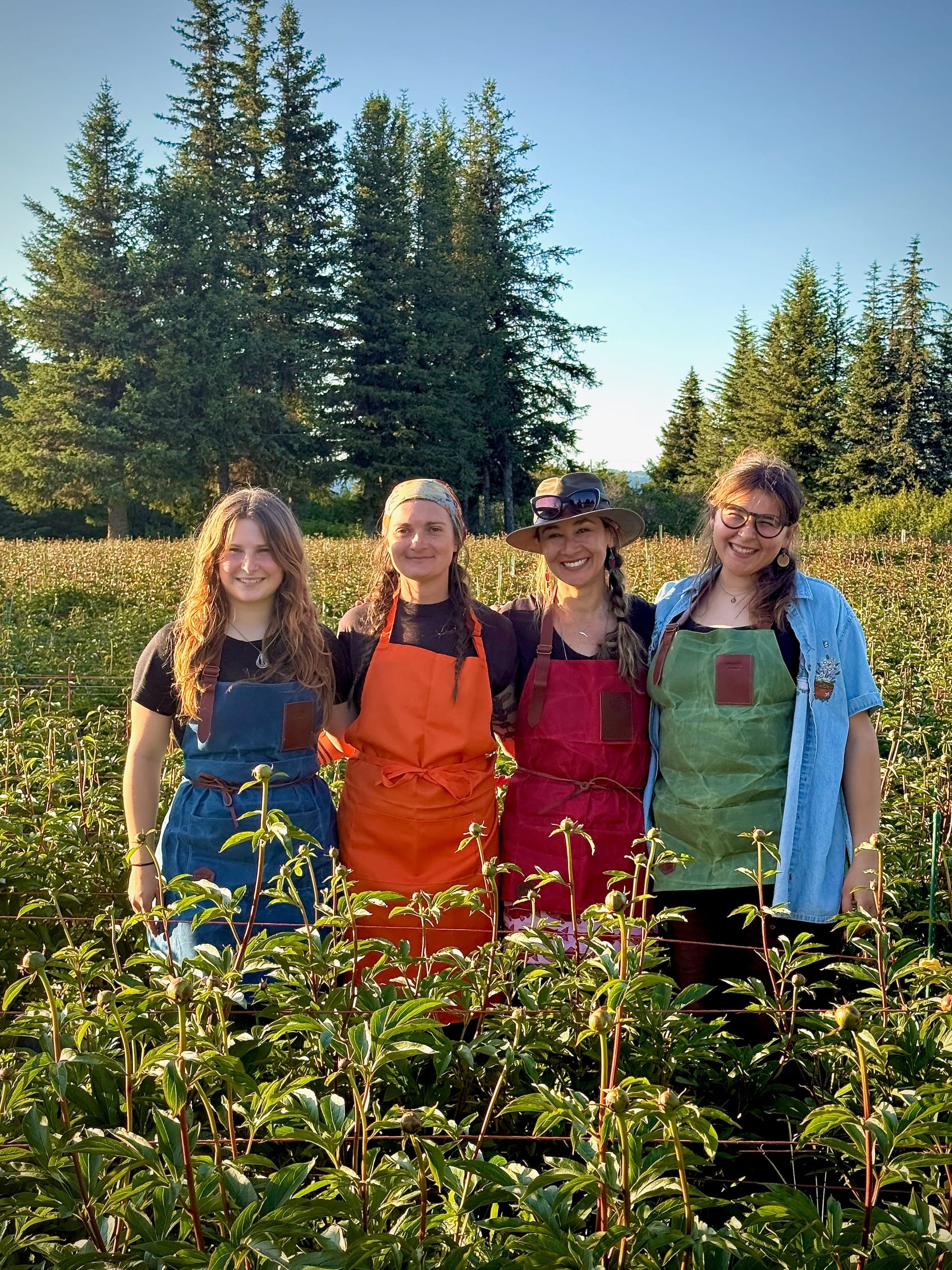
Which brings us to your time in Homer.
I sort of had fantasies about being that worker on the road crew that holds the slow and stop sign. I literally would drive by those people and be like, ‘I wonder if I could get that job.’
Oh my God.
I know. I ended up landing on a peony farm owned by an incredible woman who I met while I was up here two years ago reporting the Food & Wine story on salmon. And she said, ‘Why don't you come stay with me? I can offer you farm work and a place to live. You can live with these three other lovely interns who are up here from different states working.’ I'm twice their age, but I'm the most junior person. I let them make the decisions, they sort of lead. I just am like, ‘What is the task that y'all least want to do?’ And I'll do that task. It's lovely and I cook for them. And so I'm kind of like the house mom.
Getting outside, moving my body a little bit helps. A manual task is really good. I found that weeding and getting your hands in the dirt is good for your brain and your immune system, your gut microbiome and whatnot. So I’m often going out and doing something with my hands and talking on the phone or listening to an audiobook. That's helping me. The other day I just was on my knees in the peonies sobbing and I was like, That's okay. I'm not making anyone else around me sad because I'm by myself and peonies don't care.
This interview was edited by Maggie Mertens.
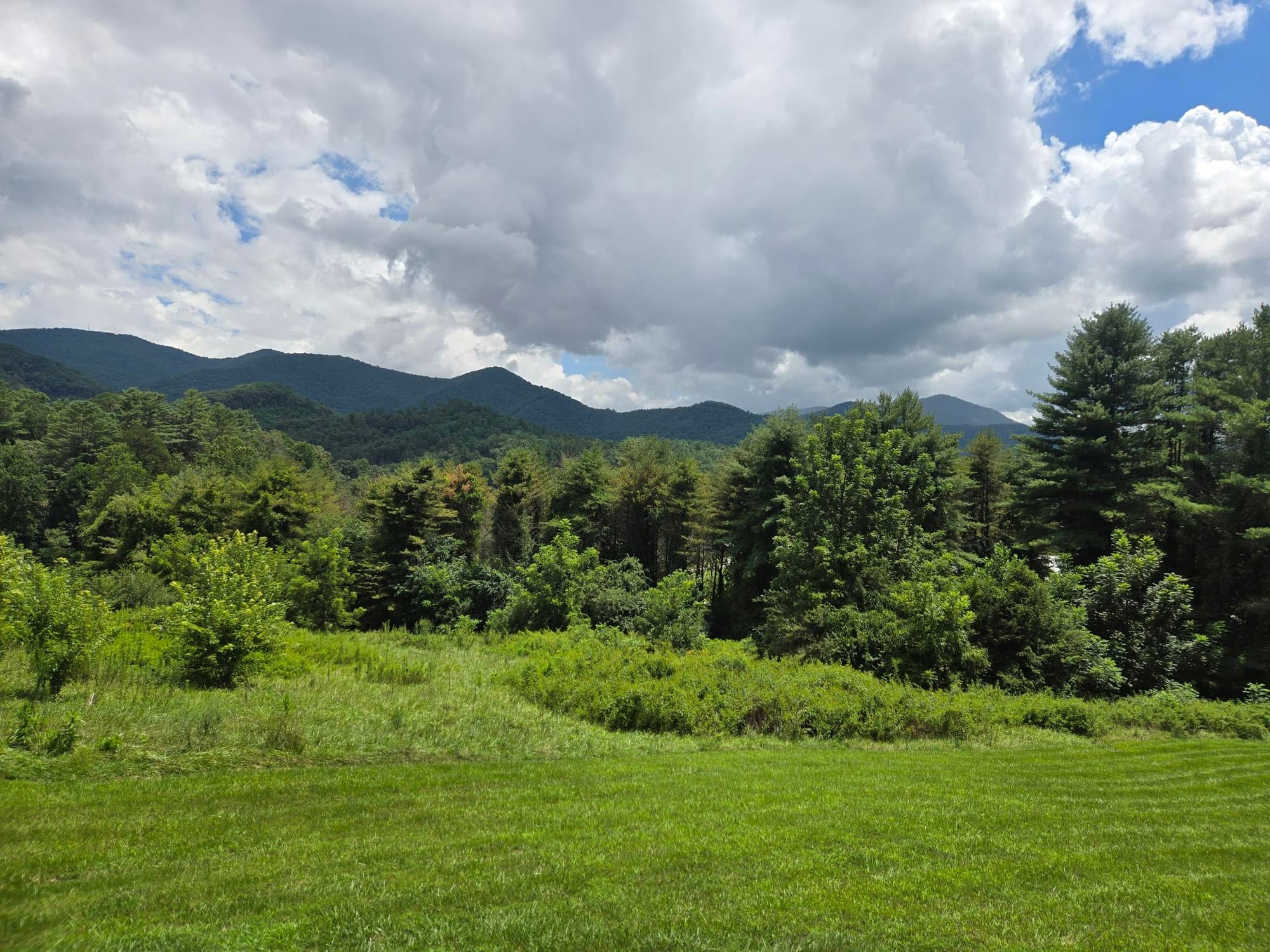
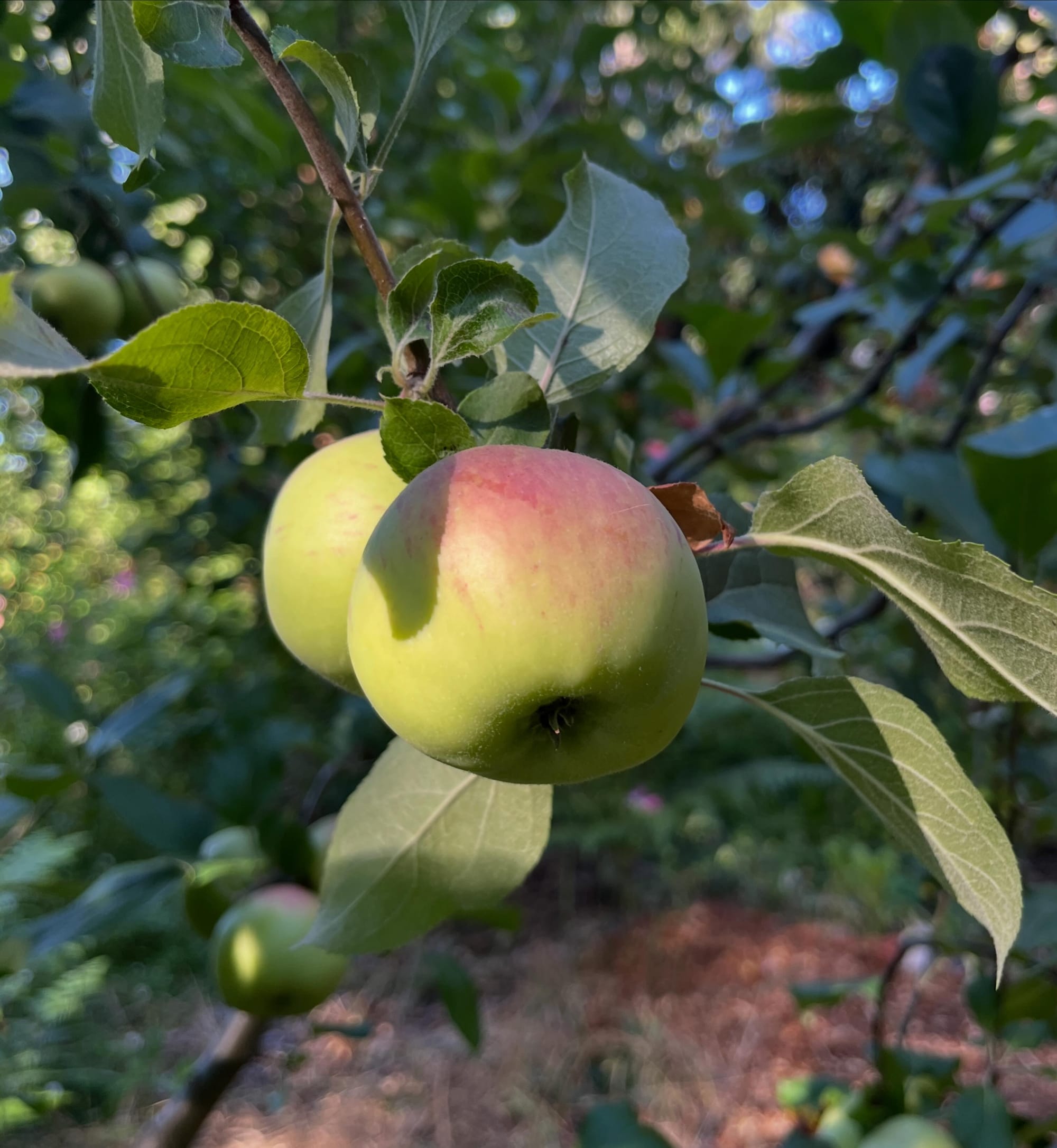
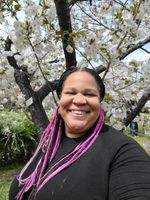
Post-Credits Scene From the Garden
Scratch is a weekly newsletter about how your favorite writers are surviving (or not). We are a four-person collective publishing essays, interviews with other writers, and topical inquiries into the publishing and media industries today. If you like what we’re doing here and want to support us, a paid subscription is the best way to do so.
Become a free subscriber to receive our weekly newsletter.

Member discussion