Actually, Let's Read Black and Indigenous Authors All Year
A curated reading list of 2026 titles that reckon with the narratives we tell about America — and a look ahead at titles we’re excited about in 2027.
Here at Scratch, we stand by the power of storytelling in all its forms. It’s kind of why we’re doing this whole thing. And it’s my belief that stories are one way of mapping our survival, allowing us to carry forward the truths that official records try to erase, while also giving us a way to imagine new worlds into existence.
Ahead of a holiday that often focuses on a sanitized historical narrative, we’re taking the moment to center the enduring literary legacies of Indigenous and Black communities impacted by the toll of colonization and later, Westward expansion, by highlighting a list of our favorite books of 2026 by Black and Indigenous authors. Whether the writer is centering the act of experimentation, excavating deeply researched historical moments, or presenting a reimagining or reconsideration of an event we thought we already knew, these books say something about the America we inhabit, and gesture towards where we could go from here.
This post contains Bookshop.org affiliate links. Purchases made through them directly support independent bookshops and help keep Scratch running.
Poetry
If language’s power lies in its ability to mend what acts of historical violence have fractured, then poetry, with its emphasis on breath, rhythm, and the oral tradition presents the poem as a site of witness, but also a place of repair, making it a vessel for all of the conversations that documented history tries to leave behind. Poetry collections have the power to reimagine sacred texts, honor ancestral voices, and show readers all the ways that we are tethered to subjects like land, lineages, and sonic ecologies. These collections challenge and and shift our perspectives, actively remaking the forms we use to document our lived experiences. In that way they remind us that language can mean connection, and it can also ensure our survival.
The Book of Alice: Poems by Diamond Forde
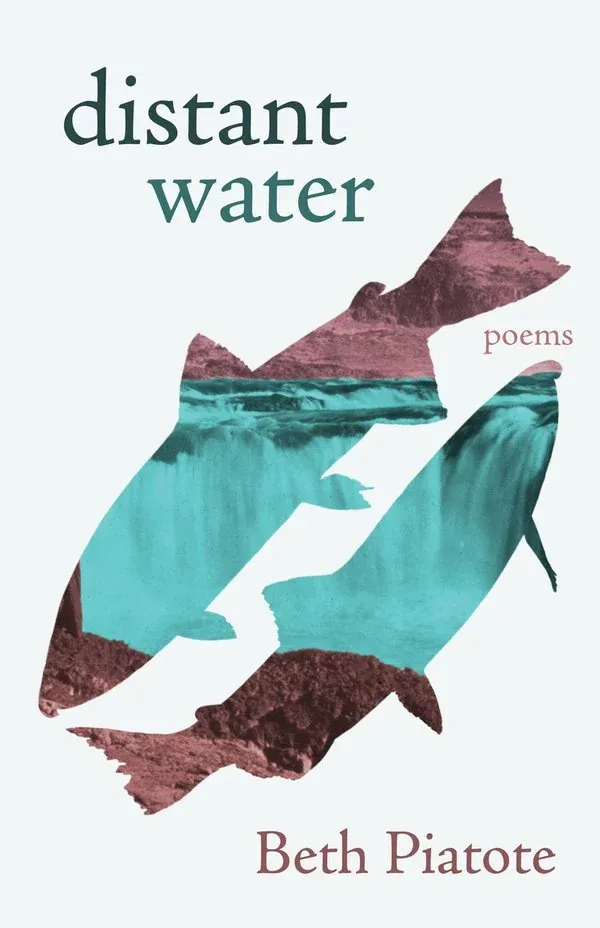
distant water: poems by Beth Piatote
Horses: Poems by Jake Skeets
We by Layli Long Soldier
Black Frag/Ments by Lolita Stewart-White
Nonfiction
From the stories that live in the soil beneath our feet to the institutions that shape what we know, we are often caught in the turmoil of the structural, historical, and environmental machinations that make up the reality of living in America.
These nonfiction books ask readers to look closer at the foundational systems of American life. These works, through their scholarship and storytelling, interrogate what we decide to cultivate when we tell the story of where we’re from. The landscape we inhabit is a kind of ledger, a living record of deposits, extractions, and transfers. That account often tells us who has been supported so they could thrive, and who has been left to fight in the darkness.
These books offer necessary context for how we got here and the choices that will determine where we go next.
Africulture: How the Principles, Practices, Plants, and People of African Descent Have Shaped American Agriculture by Michael Carter, Jr.
Searching for Jane Crow: Black Women and Mass Incarceration in America from the Auction Block to the Cell Block by Talitha L. LeFlouria
The Undesirable Many: Black Women and Their Struggles against Displacement and Housing Insecurity in the Nation's Capital by Rosemary Ndubuizu
Medicine River: A Story of Survival and the Legacy of Indian Boarding Schools by Mary Annette Pember
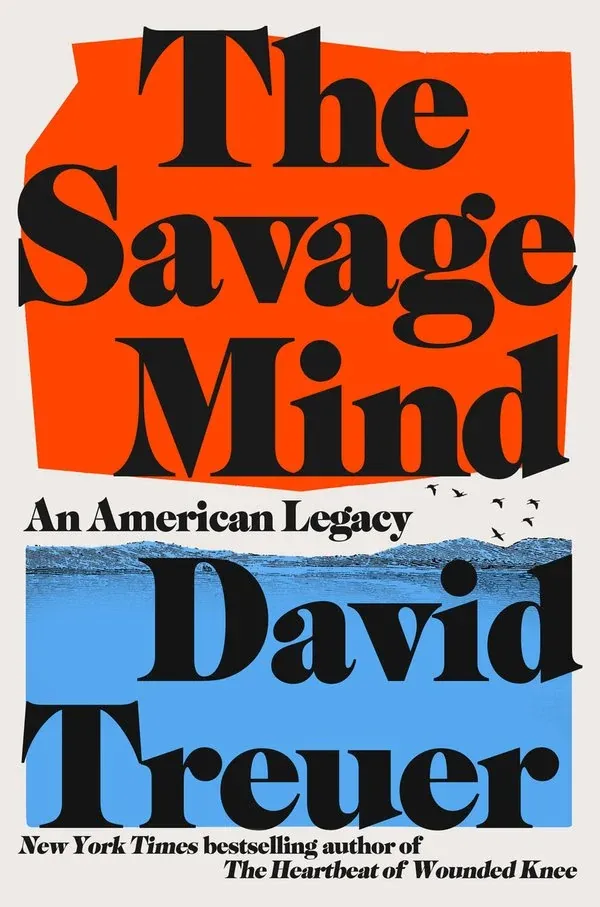
The Savage Mind: An American Legacy by David Treuer
Enjoying Scratch? The best way to support our work is with a paid subscription!
Fiction
History isn’t just about the events that live in textbooks — it thrives in the silences. Stories housed in fiction can write these forgotten worlds into being, elevating and reclaiming inheritance, secrets, memory, and rebellion.
Burn Down Master's House by Clay Cane
Salt Water Blood by Manuia Heinrich
Keeper of Lost Children by Sadeqa Johnson
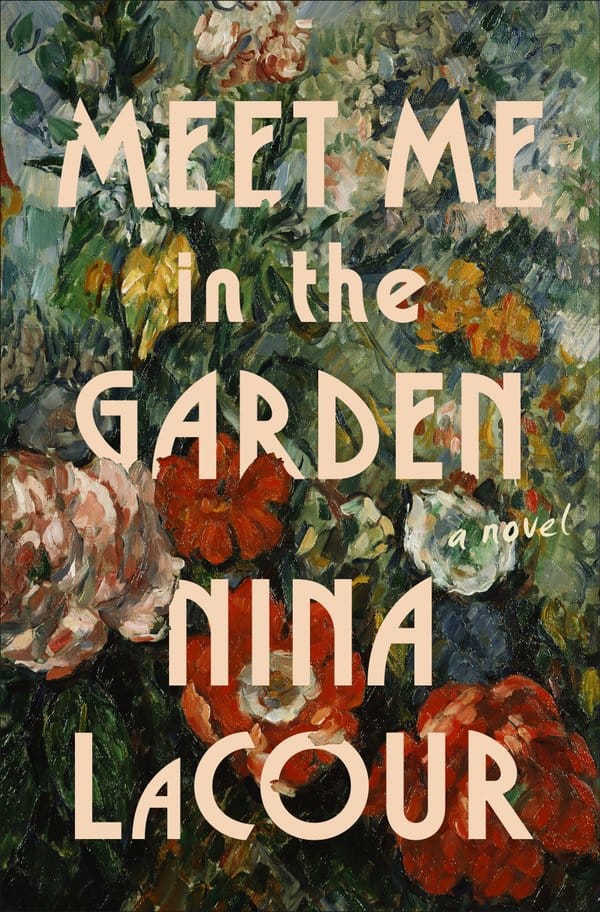
Meet Me in the Garden by Nina LaCour
The Birthing Tree by Amanda Peters
Cookbooks
The earliest stories I have, and the ones that continue to sustain me, got their start in the kitchen. A recipe can also be an archive that pays homage to the land traditions of a region, community, and identity.
These cookbooks honor the ancestral and contemporary philosophies and histories of Black and Indigenous families by examining the deep roots and transformative power of foodways to nourish, connect, and heal. They also document injustices, broken policies, forced migration and racial violences, and the customs and beliefs that have been passed from generation to generation.
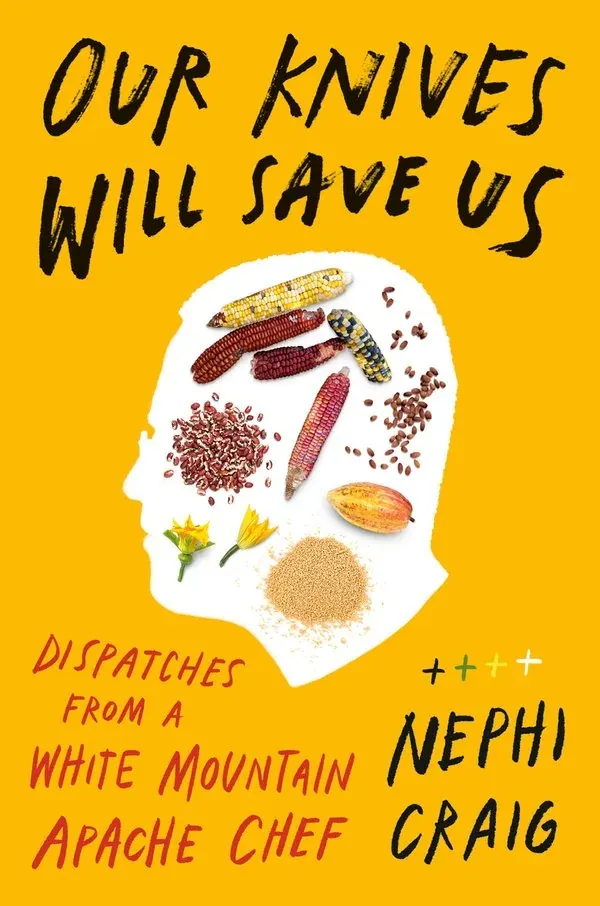
Our Knives Will Save Us by Nephi Craig
American Soul: The Black History of Food in the United States by Anela Malik and Renae Wilson
A Feather and a Fork: 125 Intertribal Dishes from an Indigenous Food Warrior by Crystal Wahpepah
Looking Forward to 2027:
We know that Indigenous and Black authors are often overlooked unless it’s a particular time of year when mainstream publishing feels they should be acknowledged. In that vein, we wanted to be sure to highlight some books publishing in 2027 that you can preorder now to keep this conversation about America going.
Cookbook
Black South: Recipes from the Roota to the Toota by Amethyst Ganaway (April 27, 2027)
Fiction
I'm Hungry: A Novel by Louise Erdrich (April 20, 2027)
An Impossible Blue: A Novel by Leanne Betasamosake Simpson (June 15, 2027)
Poetry
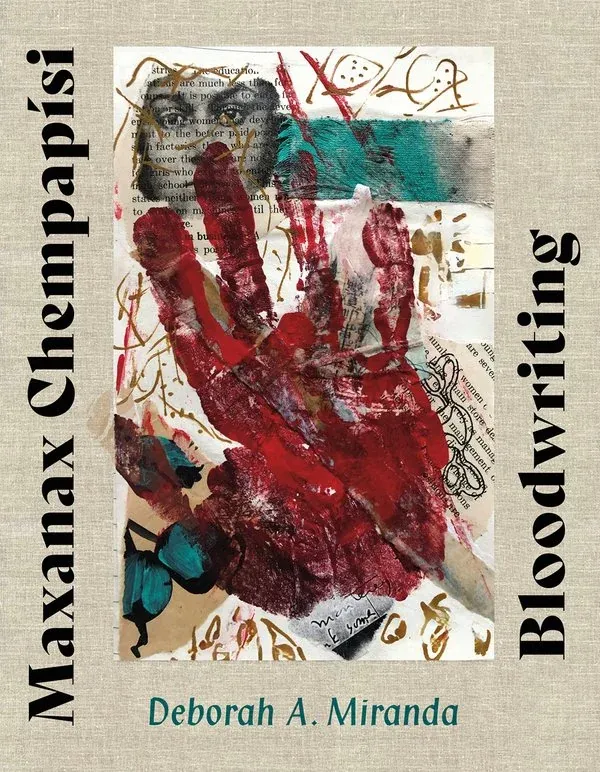
Maxanax Chempapísi / Bloodwriting by Deborah A Miranda (January 26, 2027)
The Black Outside by Joy Priest (March 9, 2027)
The Forest: Poems by Tracy K. Smith (March 2, 2027)
Nonfiction
The People’s House: The Power and Presence of African Americans in the White House edited by Michelle D. Commander and Kathleen M. Kendrick (January 19, 2027 )
Saltwater Dreaming: The Making of an Island Daughter by Lenika Cruz (May 4, 2027)
We Are Still Here: An Indigenous Exploration of Identity, Heritage, and Belonging by Alyssa London (March 30, 2027)
The Best of the Crisis Magazine: Over 100 Years of Excellence in Black Literature from 1910 to Today by NAACP (January 26, 2027)
Sunday Always Comes!: A Message of Hope and Resilience by Justin J Pearson (April 6, 2027)
The Good Indian: A Seventh Generation Memoir by Elaine Yellow Horse (March 16, 2027)
This post was edited by Maggie Mertens.
Scratch is a weekly newsletter about how your favorite writers are surviving (or not). We are a four-person collective publishing essays, interviews with other writers, and topical inquiries into the publishing and media industries today. If you like what we’re doing here and want to support us, a paid subscription is the best way to do so. You can also leave us a tip. Or submit a mailbag question of your own!
Become a free subscriber to receive our weekly newsletter.




Member discussion